
Popular Gate Installation Products To Simplify Your Setup Process
Discover essential gate components and accessories that make installation easier while ensuring long-lasting performance.
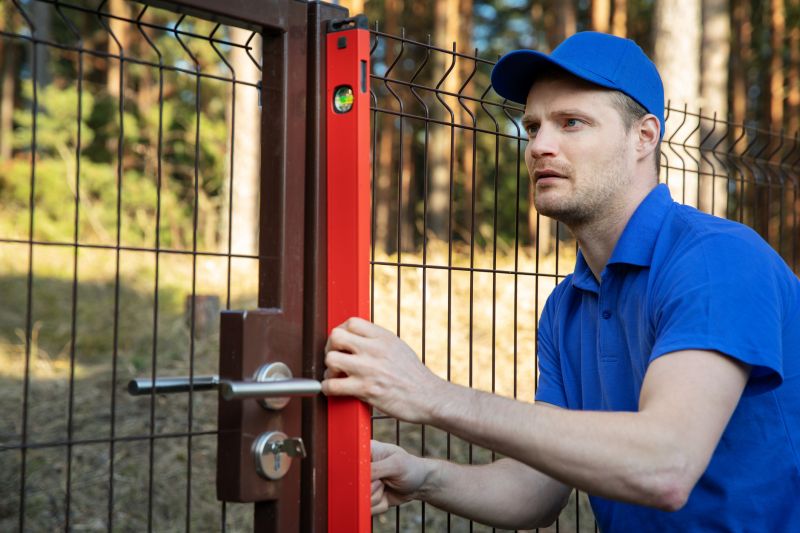 Installing a gate requires careful selection of the right products to ensure safety, durability, and smooth operation. From hinges and latches to automation systems and safety devices, the array of available products can seem overwhelming. Properly chosen components can enhance the functionality and longevity of your gate, whether it is a simple manual barrier or an advanced automated entry system. Understanding the different types of products and their specific applications is essential for making informed decisions during installation.
Top Overall Option
Heavy-Duty Gate Hardware Kit
A comprehensive hardware kit designed for durability and versatility, including hinges, latches, and anchors suitable for various gate materials and sizes. Its robust construction aims to provide secure and smooth operation over time.
Types of Products For Gate Installations
Gate Hinges
Essential components that allow the gate to swing open and closed smoothly, available in various sizes and materials to suit different gate types.
Latches and Locks
Devices used to secure the gate in a closed position, offering manual or keyless options for added security.
Automated Gate Motors
Electric motors that automate gate opening and closing, often compatible with remote controls and sensors.
Control Panels
Electronic units that manage gate operation, integrating safety features and remote access capabilities.
Safety Sensors
Devices that detect obstructions to prevent gate closure from causing injury or damage.
Remote Controls
Wireless devices that allow convenient operation of automated gates from a distance.
Safety Edges
Flexible strips installed on the gate edge to trigger automatic stop or reversal upon contact.
Ground Tracks and Rollers
Components that facilitate smooth sliding of gates, especially for large or heavy gates.
Solar Power Kits
Energy solutions that power gate automation systems independently from electrical wiring.
Fence Mounting Brackets
Hardware for attaching gate components securely to fencing structures.
Emergency Release Devices
Mechanisms allowing manual opening of automated gates during power outages or emergencies.
Gate Stops and Holders
Accessories that secure the gate in open or closed positions for safety and convenience.
Weatherproof Enclosures
Protective covers for electronic components to ensure reliable operation in various weather conditions.
Sliding Gate Track Systems
Complete kits designed for installing sliding gates with smooth, guided movement.
Swing Gate Hardware
Hardware tailored for swinging gates, including hinges, latches, and support arms.
Gate Post Mounts
Supports and anchors for securing gate hardware to the ground or fencing posts.
Popular Choices
Motorized units compatible with remote controls for hands-free gate operation.
Keyless entry systems that allow access via code entry for added security.
Inductive sensors embedded in the ground to detect vehicle or pedestrian presence.
Solar-powered automation systems suitable for remote locations without electrical supply.
Robust hinges designed to support large or heavy gates with ease of movement.
Secure latches that can be operated manually or electronically for added security.
Complete sets for adding remote operation capabilities to existing gates.
Enclosures designed to protect electronic components from the elements.
Components that facilitate smooth movement of sliding gates along tracks.
Keys that allow manual gate operation during power failures.
Flexible safety strips that trigger automatic reversal upon contact.
Sensors that create a safety barrier to prevent accidental closure.
Strong brackets for mounting hinges, locks, and automation components securely.
Tracks that guide sliding gates smoothly along their path.
Power backup units to ensure gate operation during outages.
Stops that prevent over-travel and help position gates precisely.
Sensors designed to withstand outdoor conditions for reliable safety detection.
Gate installation products are designed to address various needs, such as securing the opening, enabling remote operation, or providing safety features. For manual gates, hinges and latches are fundamental, offering stability and ease of use. For automated gates, motors, control panels, and sensors come into play, transforming a basic barrier into a convenient access point. Additionally, safety features like safety edges, warning signals, and emergency release mechanisms are critical for ensuring secure operation and compliance with safety standards.
Choosing the right products involves considering factors like gate size, material, frequency of use, and environmental conditions. Heavy-duty components are necessary for large, frequently used gates, while lighter, more straightforward options may suffice for smaller or less frequently operated gates. Compatibility with existing gate materials and infrastructure is also vital to ensure seamless integration. Investing in quality products can help prevent common issues such as misalignment, mechanical failure, or safety hazards, ultimately providing a reliable and efficient gate system.
Whether you are building a new gate or upgrading an existing one, selecting appropriate products tailored to your specific needs can make a significant difference. From basic hardware to advanced automation technology, understanding the options available will help you create a secure, functional, and long-lasting gate installation that meets your requirements.
Key Buying Considerations
- Gate material compatibility (wood, metal, vinyl) to ensure proper hardware fit.
- Gate size and weight to select appropriate hinges, motors, and support hardware.
- Frequency of use to determine durability and motor capacity requirements.
- Environmental conditions such as exposure to rain, snow, or high winds.
- Type of gate operation preferred: sliding or swinging.
- Power source availability, including options for solar or wired electrical systems.
- Security features needed, such as locks, keypads, or remote controls.
- Safety features like sensors, edges, and warning signals to prevent accidents.
- Ease of installation and maintenance requirements.
- Compatibility with existing fencing or structural elements.
- Budget constraints while balancing quality and features.
- Local climate considerations that may affect material choice and electronic components.
- Available space for gate movement and hardware installation.
- Long-term durability and resistance to outdoor elements.
- Compliance with safety standards and regulations relevant to your location.
This content contains affiliate links. We may earn a commission if you make a purchase through these links, at no additional cost to you.